
by gcdesigner | May 1, 2024 | Uncategorized
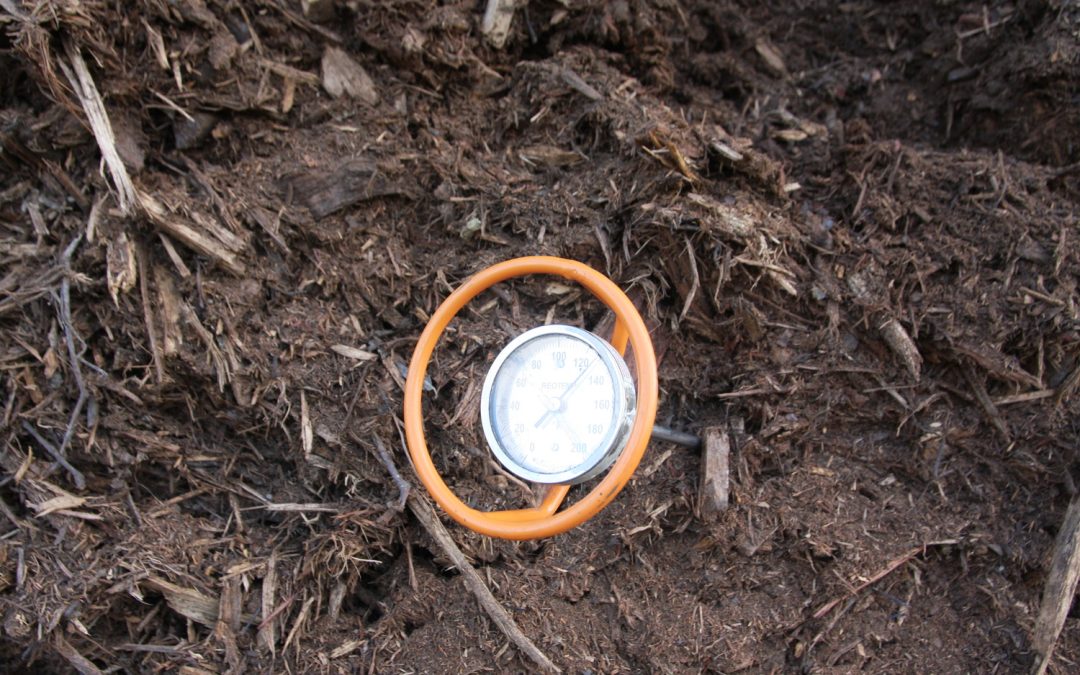
The Compost ManufacturingProcess The production of compost is both a mechanical and a biological process. The raw materials must first be separated, collected, and shredded by mechanical means before the biological decomposition process can begin. In some cases, the...
by gcdesigner | May 1, 2024 | Uncategorized
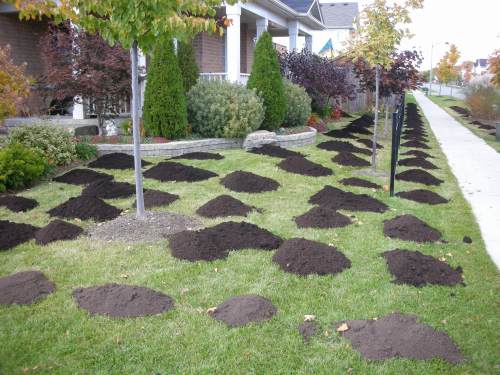
Harmful Materials Compost made from yard wastes, such as leaves and grass clippings, rarely contains any harmful materials. Problems can occur, however, when compost is made from partially sorted municipal refuse, certain industrial wastes, or sewage sludge. In those...
by gcdesigner | May 1, 2024 | Uncategorized
The Future Of Composting By separating home yard wastes and turning them into compost, it is estimated that municipalities can reduce the amount of trash going to landfills by about 20%. While that is a significant reduction, it is expected that even more trash will...

by gcdesigner | May 1, 2024 | Uncategorized
THE HISTORY OF COMPOST The expression “older than dirt” certainly applies to compost. Nature has been producing compost for millions of years as part of the cycle of life and death on Earth. The first human use of animal manure, a raw form of compost, was...
by gcdesigner | May 1, 2024 | Uncategorized
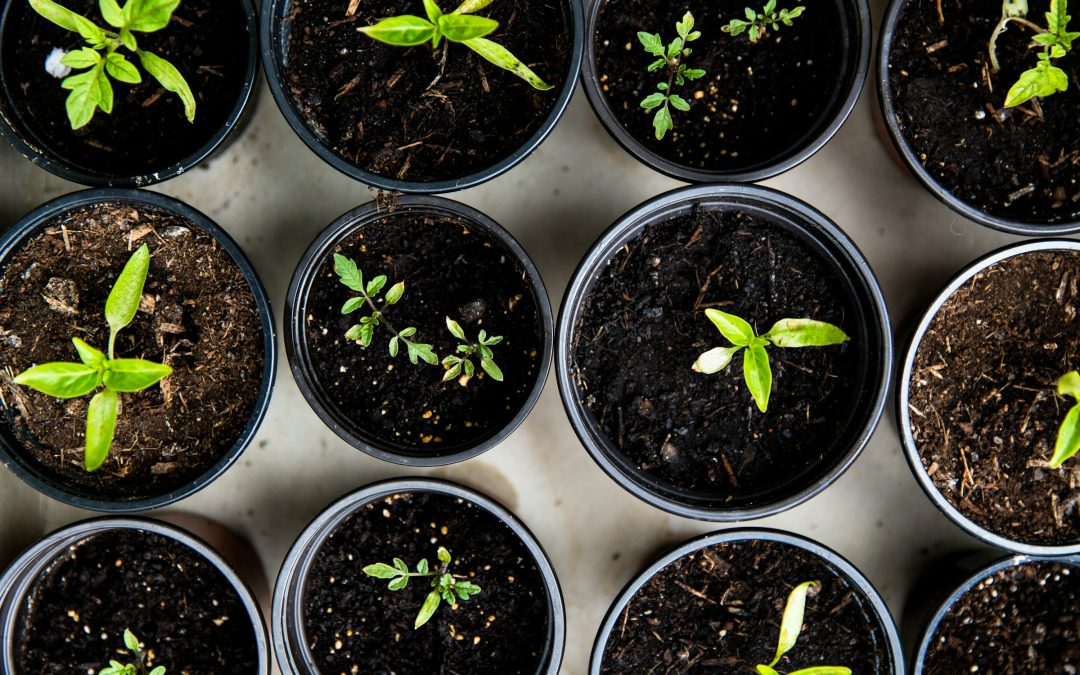
Backyard composting can be done using a variety of different systems, enclosures, or containers. Composting systems or bins can be constructed at home or purchased commercially. Depending on where you live, youmay have a problem with rodents if vegetative food wastes...
by gcdesigner | May 1, 2024 | Uncategorized
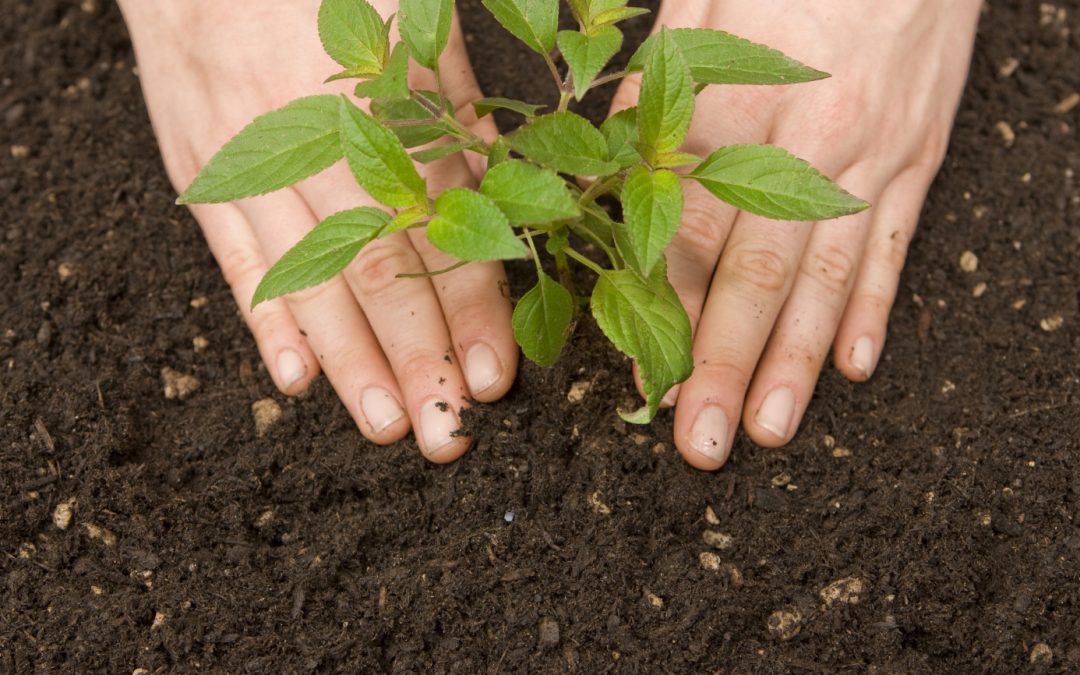
WHAT IS THE DIFFERENCE BETWEEN COMPOST AND FERTILIZER? The simplest way to distinguish between compost and fertilizer is to remember this: Compost feeds the soil and fertilizer feeds the plants. Fertilizer adds to the soil’s nutrient supply, but instead of feeding the...
